Destination guide
Discover Taita Hills Wildlife Sanctuary
Use this guide to understand the landscape, wildlife, activities and practical details before adding the destination to your safari route.
Taita Hills Wildlife Sanctuary safari guide
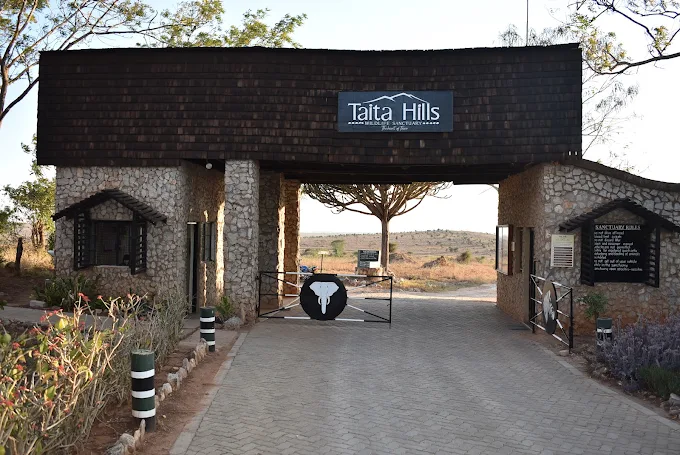
A Taita Hills Wildlife Sanctuary safari adds a quieter and more intimate wildlife stop to the classic southern Kenya circuit. The sanctuary lies in Taita Taveta County near the Tsavo ecosystem and works especially well between Tsavo East National Park and Diani Beach. Its location makes it practical for travellers who want one more wildlife experience before reaching the coast without returning toward Nairobi.
Wildlife viewing around the waterholes
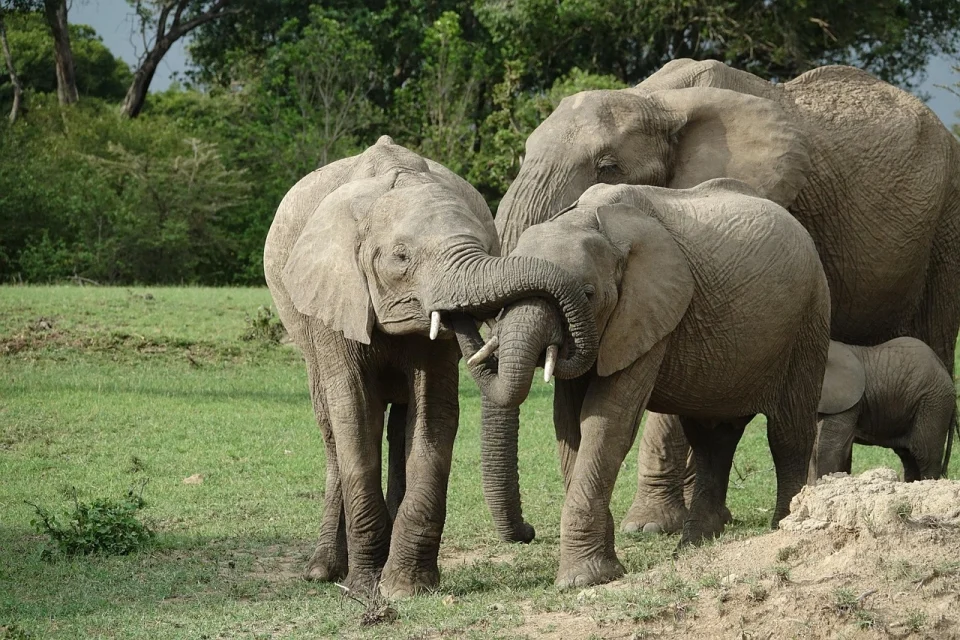
The sanctuary is known for wildlife movement around seasonal and managed water points. Elephants, buffalo, zebra and several antelope species may be seen, with predators sometimes following prey through the landscape. Viewing is not limited to vehicle based game drives. Salt Lick Safari Lodge is designed around elevated accommodation and waterhole observation, allowing guests to watch wildlife from the lodge area when animals approach to drink.
Landscape, birdlife and the Eastern Arc setting
Taita Hills forms part of a biologically important mountain landscape associated with the Eastern Arc. The sanctuary includes dry bush, open areas and wooded sections, while the surrounding hills contribute a distinctive backdrop. Birders can combine sanctuary species with wider Taita highland birding interests, making this an appealing stop for travellers who want more than large mammals.
Conservation and restoration
Habitat restoration is an important part of the sanctuary story. Reforestation initiatives have been used to restore areas affected by drought, fire and pressure from large herbivores. Visitors can ask about current conservation activities and should follow sanctuary rules designed to protect both wildlife and habitat. A good safari here is not only about close sightings; it is also an opportunity to understand how a private sanctuary can contribute to the wider Tsavo conservation landscape.
Taita culture and First World War heritage
The area has a strong cultural and historical identity. Community activities can introduce aspects of Taita food, craft and oral history, while First World War sites and museum material connect the region with the East African campaign. These elements can be added to a safari where time allows, creating a more layered experience than a standard game drive only itinerary.
Best time to visit Taita Hills Wildlife Sanctuary
June to October is a useful period for general wildlife viewing, while November to April can be rewarding for birding. Dry spells can increase wildlife activity around dependable water, but no individual sighting is guaranteed. Early morning and late afternoon remain productive times for game viewing and photography.
Accommodation and family planning
Salt Lick Safari Lodge is one of the best known properties in the sanctuary and is frequently used on this circuit. Families should note that accommodation policies can be more restrictive than general safari age guidance. The lodge’s published fact sheet states that children under five are not permitted at Salt Lick Safari Lodge, so travellers with younger children should request an alternative property before confirmation.
Responsible travel and official information
Use designated routes, follow ranger instructions and avoid crowding wildlife at water points. For current sanctuary and lodge information, conservation activities and available experiences, review the official Salt Lick Safari Lodge and Taita Hills information. Travellers planning a wider route can also browse our Kenya safari packages.
Why visit
Highlights of Taita Hills Wildlife Sanctuary
- Waterhole based wildlife viewing
- Salt Lick Safari Lodge elevated viewing experience
- Game drives in a quieter private sanctuary
- Birding and Eastern Arc biodiversity context
- Habitat restoration and reforestation initiatives
- Taita culture and First World War heritage experiences
Location & route planning
Where is Taita Hills Wildlife Sanctuary?
Use the map to understand where this destination sits and how it can connect with the rest of your safari.