Destination guide
Discover Lake Nakuru National Park
Use this guide to understand the landscape, wildlife, activities and practical details before adding the destination to your safari route.
Lake nakuru national park safari guide
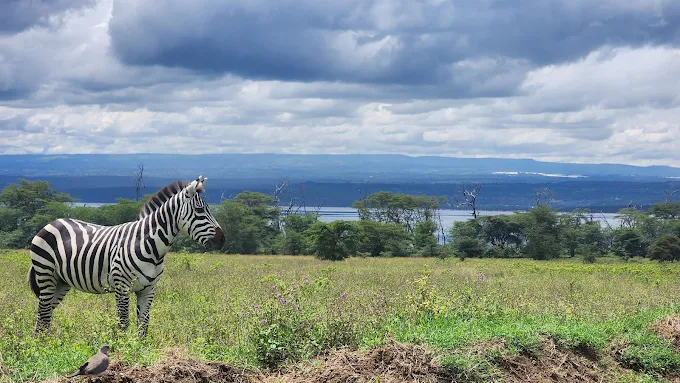
A Lake Nakuru National Park safari gives travellers a concentrated wildlife experience in Kenya’s Great Rift Valley. The park is built around a shallow alkaline lake and a varied ring of grassland, acacia woodland, rocky slopes and forest. That mixture creates a very different atmosphere from the open plains of the Masai Mara or the semi-arid country of Samburu. Its manageable size also makes it a practical stop on a multi-destination itinerary because visitors can combine game viewing, birdwatching and landscape photography without needing several days to cross a vast protected area.
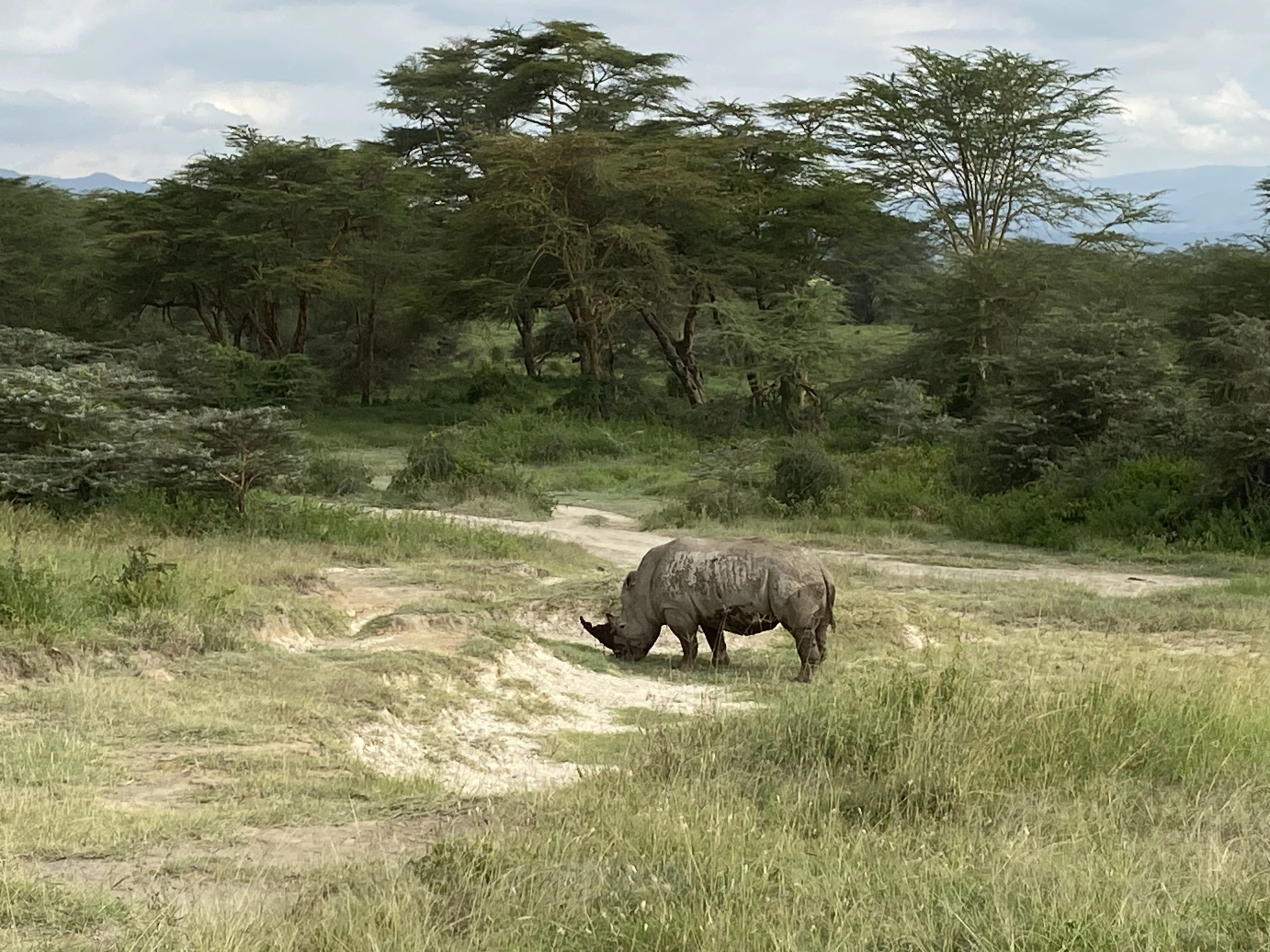
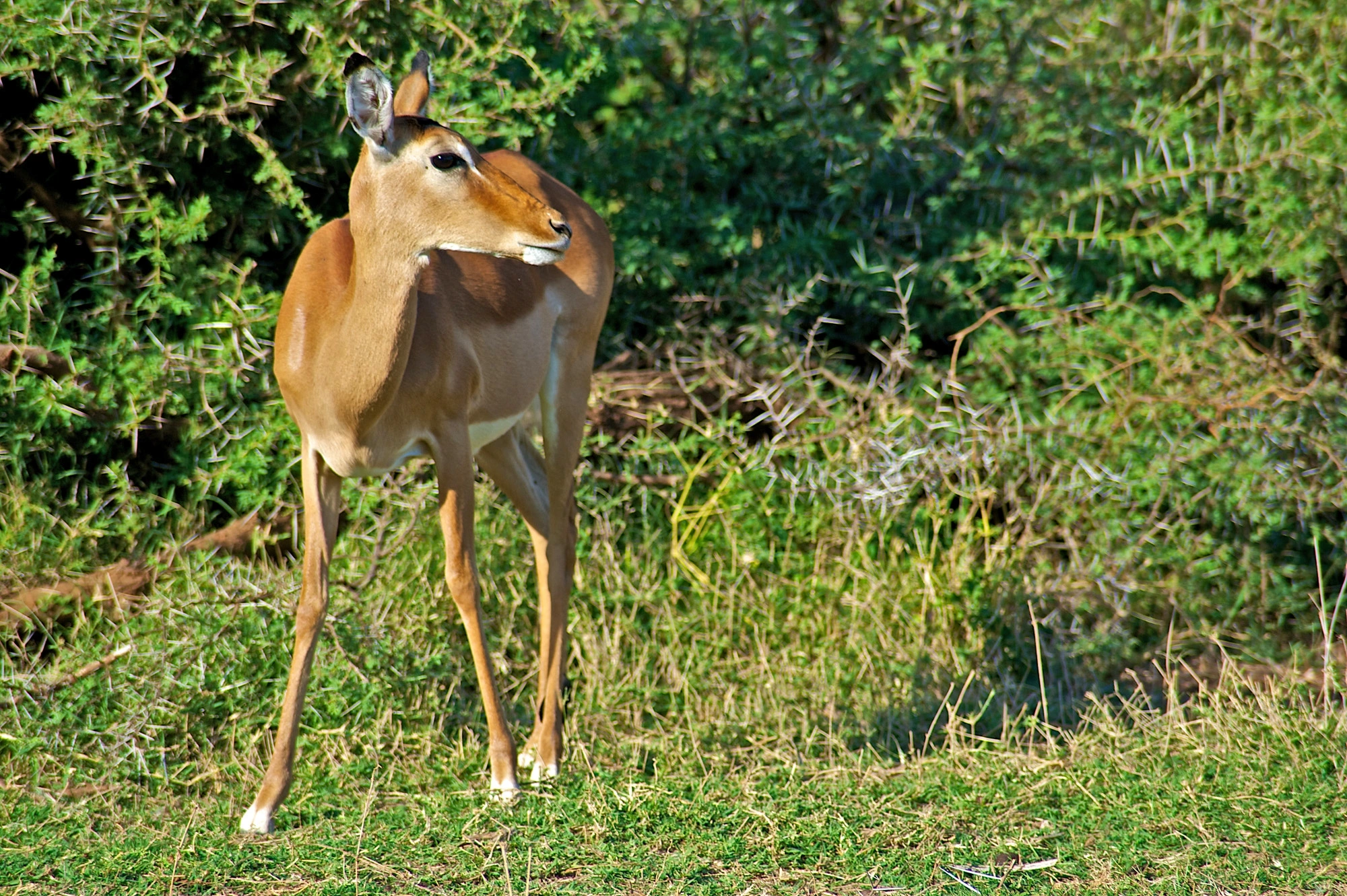
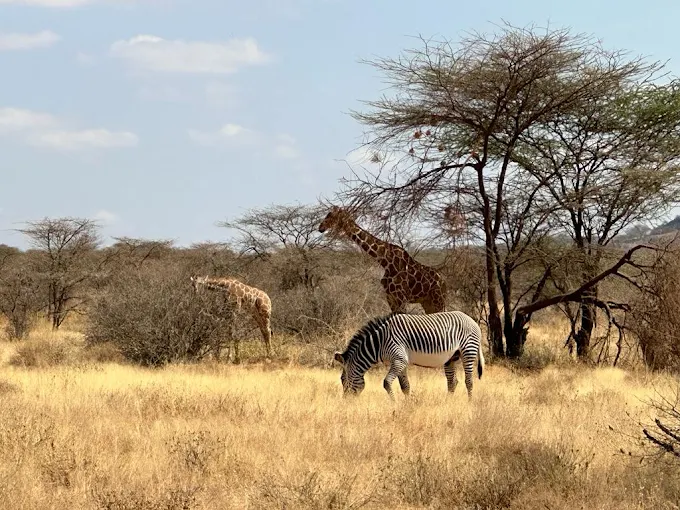
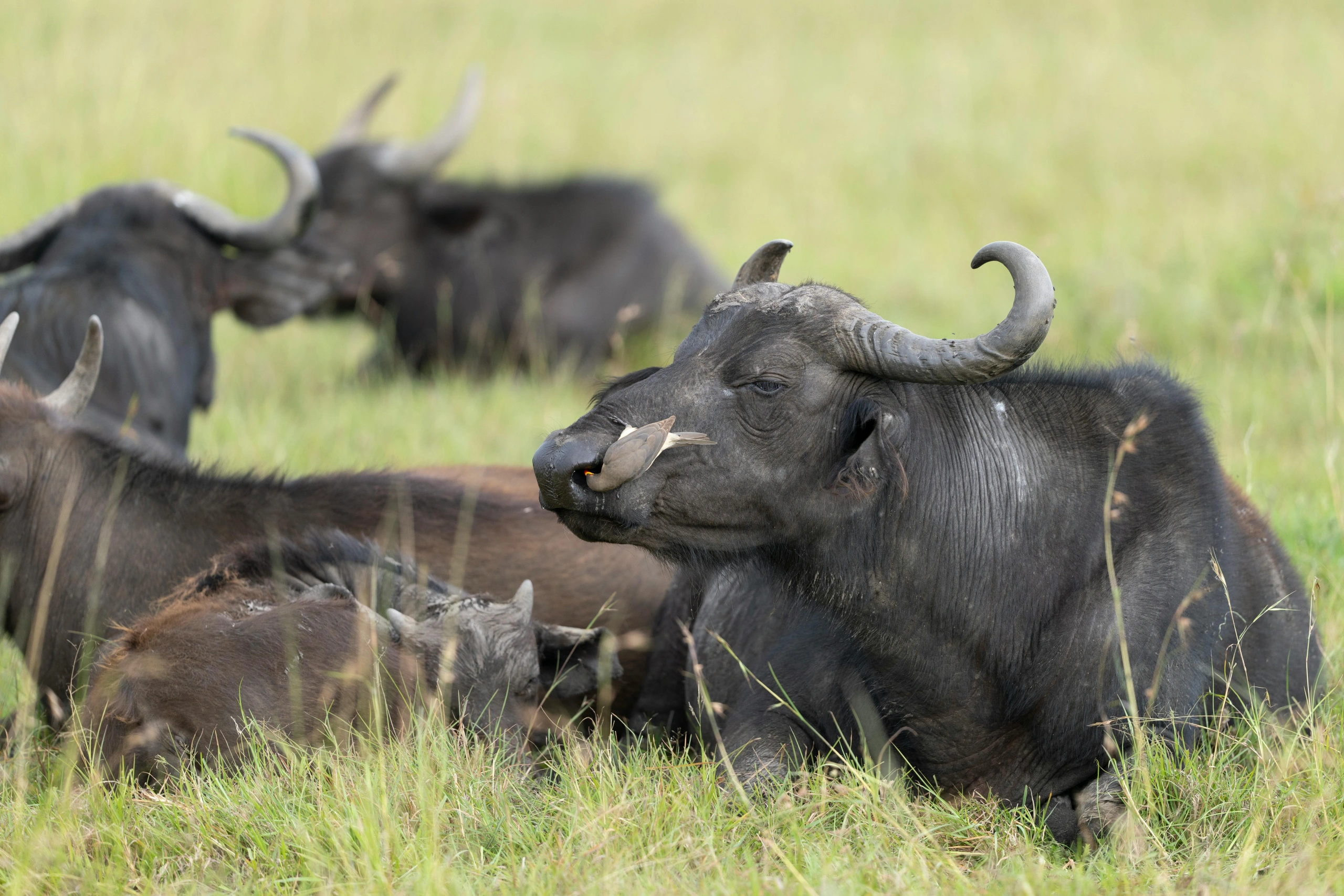
Lake Nakuru is especially important for rhino conservation. Kenya Wildlife Service identifies the park as a sanctuary for both black and white rhinos, making rhino-focused game drives one of the strongest reasons to include it in a Kenya circuit. Sightings remain natural and can never be promised, but the fenced conservation landscape supports careful protection and monitoring. Other wildlife that may be encountered includes buffalo, giraffe, zebra, antelope, baboons and predators, depending on location, season and recent animal movement.
Birdlife, lake scenery and viewpoints
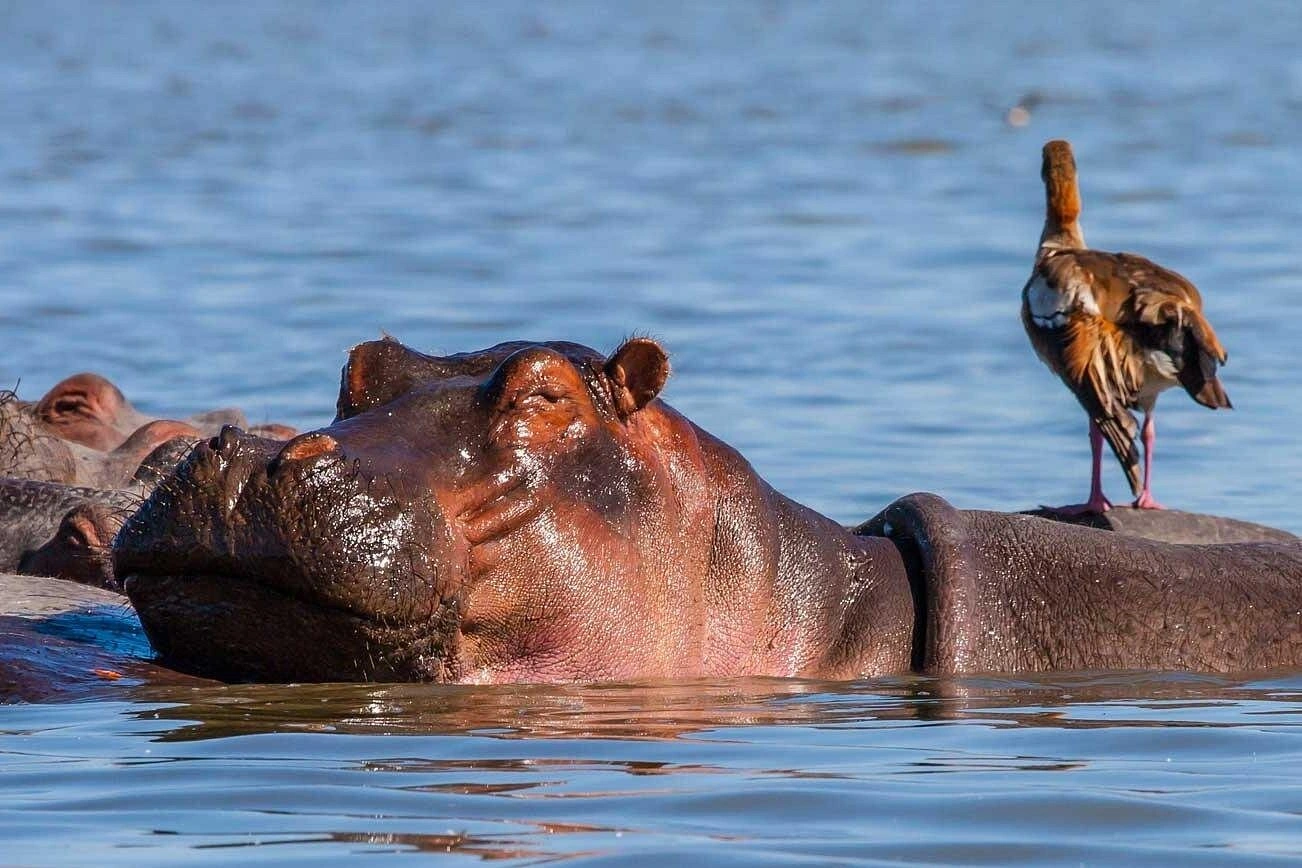
Birdlife is central to the Lake Nakuru experience. Water levels and food conditions change over time, so the number and distribution of flamingos and other waterbirds can vary considerably. Rather than planning around one species alone, visitors should expect a broader birding experience that may include pelicans, storks, cormorants, raptors and woodland species. Elevated viewpoints and escarpment areas can also reveal the shape of the lake and the wider Rift Valley landscape, giving photographers a useful contrast to close wildlife encounters.
How Lake Nakuru fits a Kenya safari
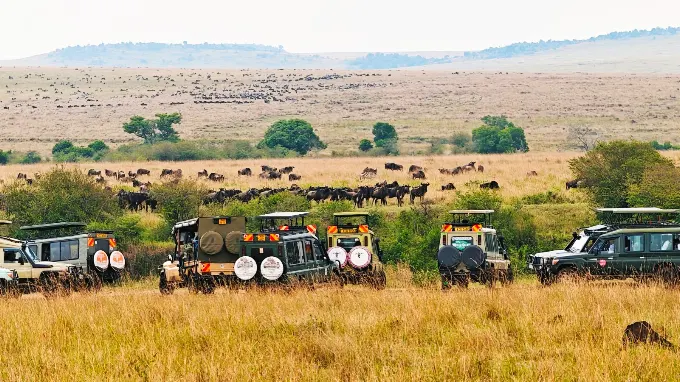
Lake Nakuru sits naturally between Lake Naivasha and Masai Mara National Reserve. It can also be paired with northern destinations such as Ol Pejeta. For travellers moving between several ecosystems, a night near the park breaks the road journey and adds rhino conservation, lake scenery and forest habitats to an itinerary dominated by open savannah. Browse our Kenya safari packages when comparing routes that include the Rift Valley.
Planning and responsible travel
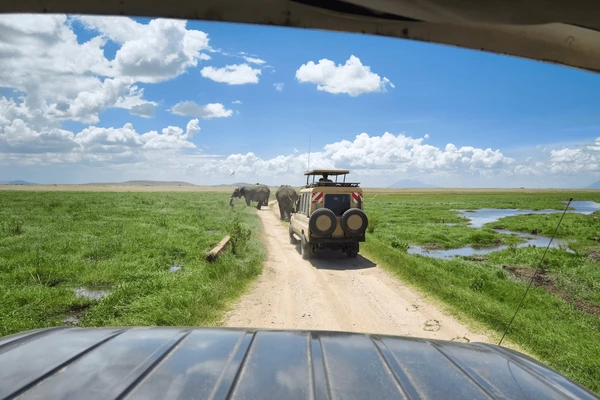
Early morning and late afternoon are usually productive times for game drives because temperatures are cooler and the light is softer. Road conditions and wildlife distribution can change with rainfall, so the guide should adapt the driving plan to conditions on the day. Keep a respectful distance from animals, remain on authorised roads, avoid feeding wildlife and follow all ranger instructions. Visitors should also carry binoculars because much of the park’s birdlife and some wildlife can be appreciated best without approaching closely.
Lake levels, fees, gate procedures and operating conditions can change. Before travel, consult the official Kenya Wildlife Service Lake Nakuru information or ask Intna Explore Africa Safaris to reconfirm the current arrangements. A well-planned visit should allow enough time for both wildlife viewing and the scenery rather than treating the park only as a transfer stop.
Who should include Lake Nakuru?
Lake Nakuru is a strong choice for travellers who want a compact protected area with a broad mix of interests in one day. Families can appreciate the manageable driving distances, photographers gain a combination of lake, forest and wildlife scenes, and first-time visitors can add rhino conservation to a route that might otherwise focus mostly on elephants and big cats. It also suits birders who want to connect freshwater and alkaline-lake habitats on the same journey. When building a private itinerary, Intna normally allows enough time for an unhurried morning or afternoon drive rather than scheduling a rushed transit through the park. Travellers with mobility requirements, young children or specialist photography goals should mention them early so vehicle seating, lodge location and daily timing can be planned around the group.
Why visit
Highlights of Lake Nakuru National Park
- Black and white rhino conservation
- Rift Valley lake landscapes
- Waterbirds and seasonal flamingo concentrations
- Acacia woodland and grassland game viewing
- Scenic viewpoints and photography
- Easy connection with Naivasha and the Masai Mara
Location & route planning
Where is Lake Nakuru National Park?
Use the map to understand where this destination sits and how it can connect with the rest of your safari.