Destination guide
Discover Masai Mara National Reserve
Use this guide to understand the landscape, wildlife, activities and practical details before adding the destination to your safari route.
Masai Mara National Reserve safari guide
A Masai Mara National Reserve safari is one of Kenya’s defining wildlife experiences. Located in Narok County in southwestern Kenya, the reserve forms part of the wider Mara–Serengeti ecosystem and is known for open savannah, riverine habitats, abundant plains game and excellent predator viewing. Narok County identifies the reserve as covering about 1,510 square kilometres and describes it as one of the country’s most important wildlife tourism areas.
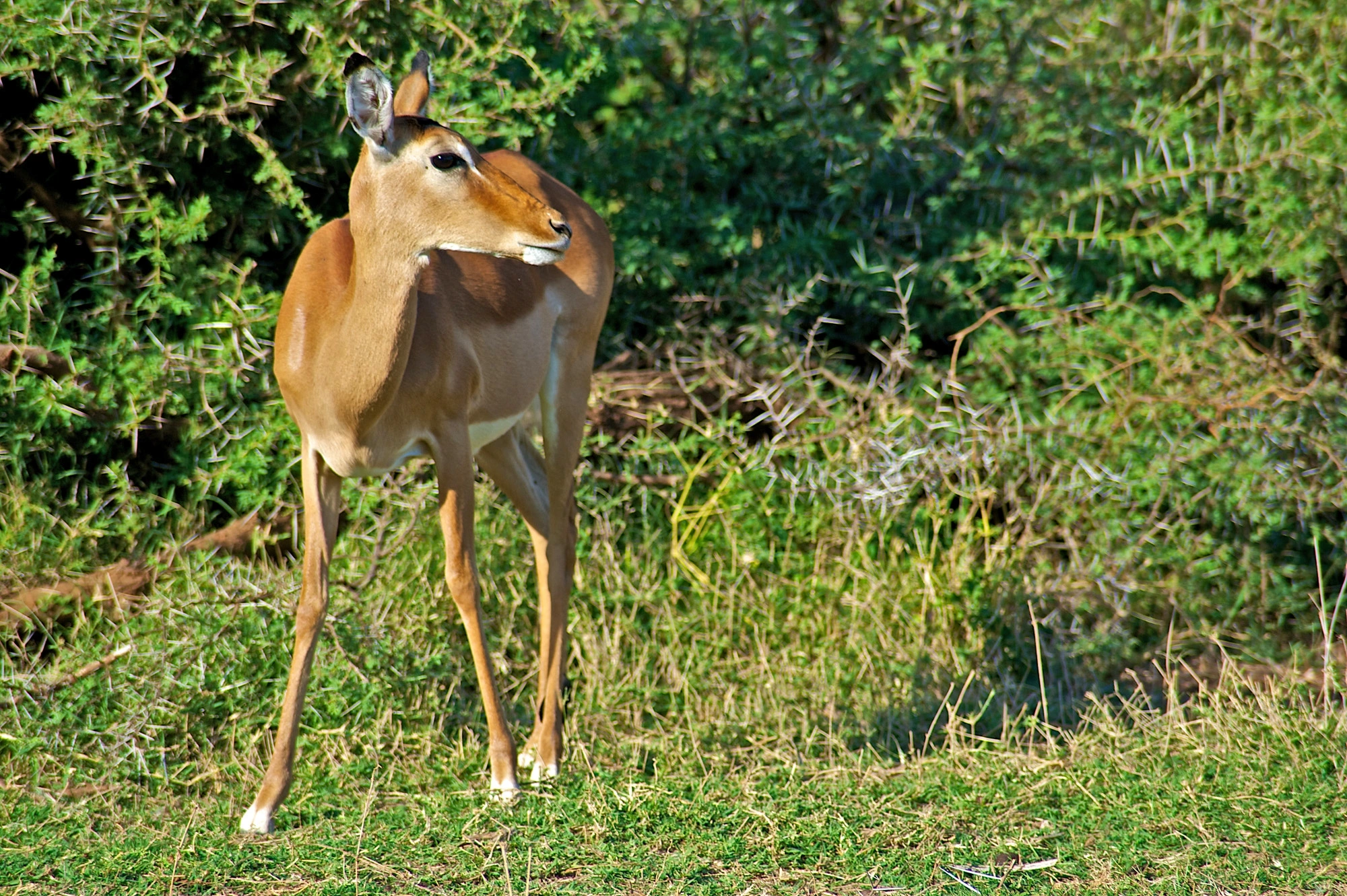
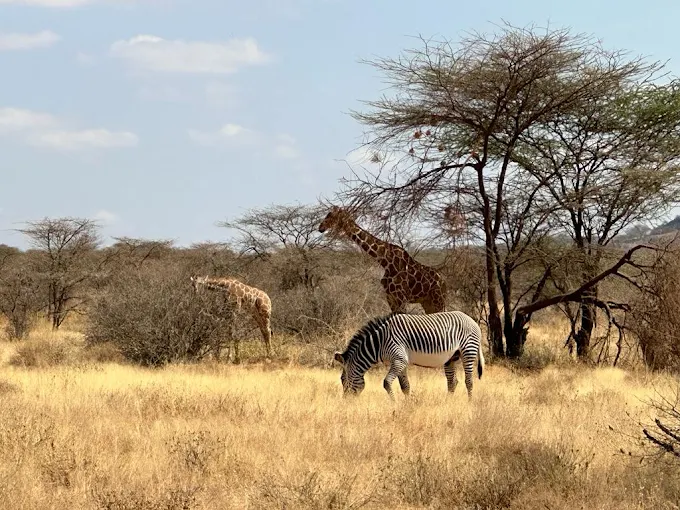
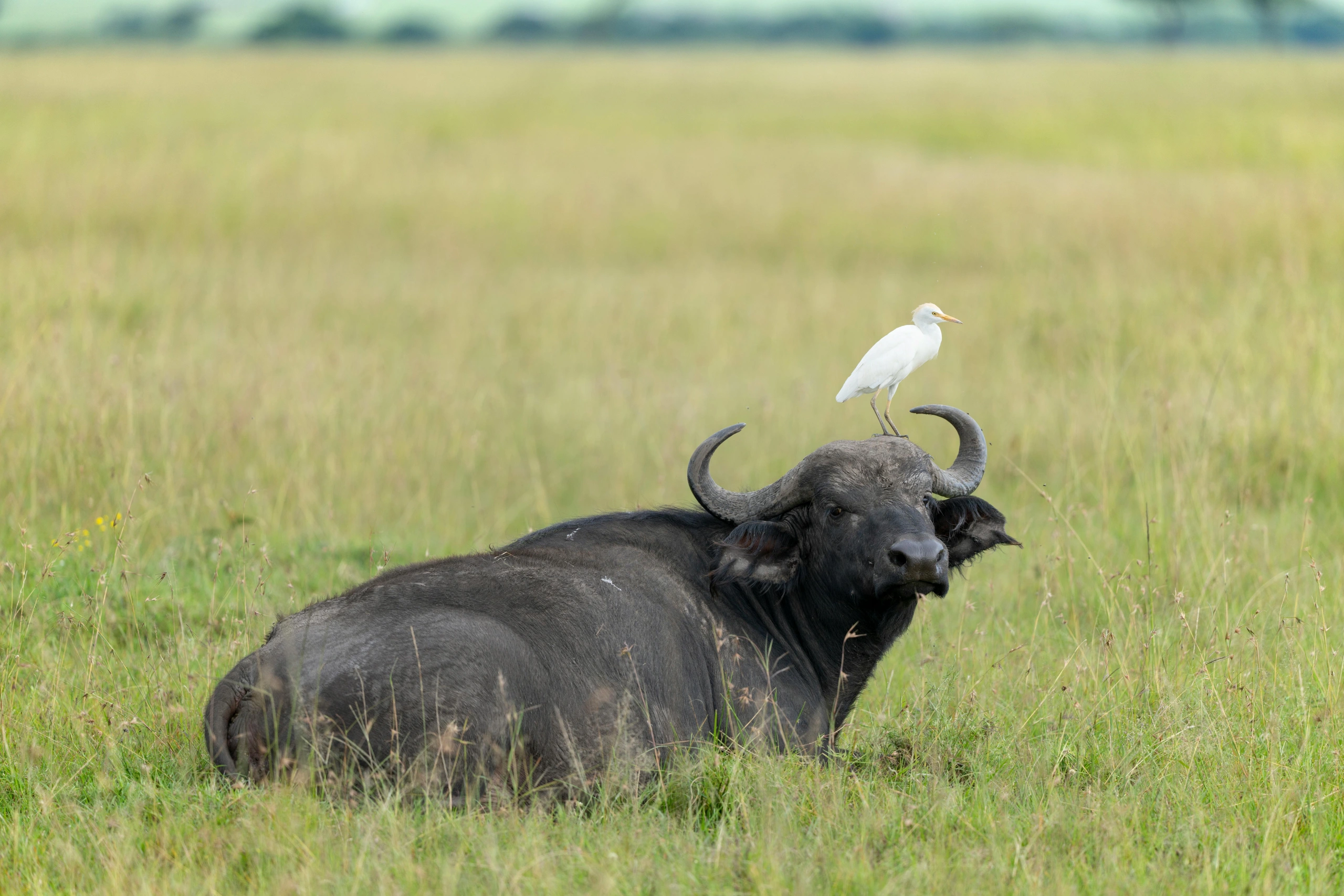
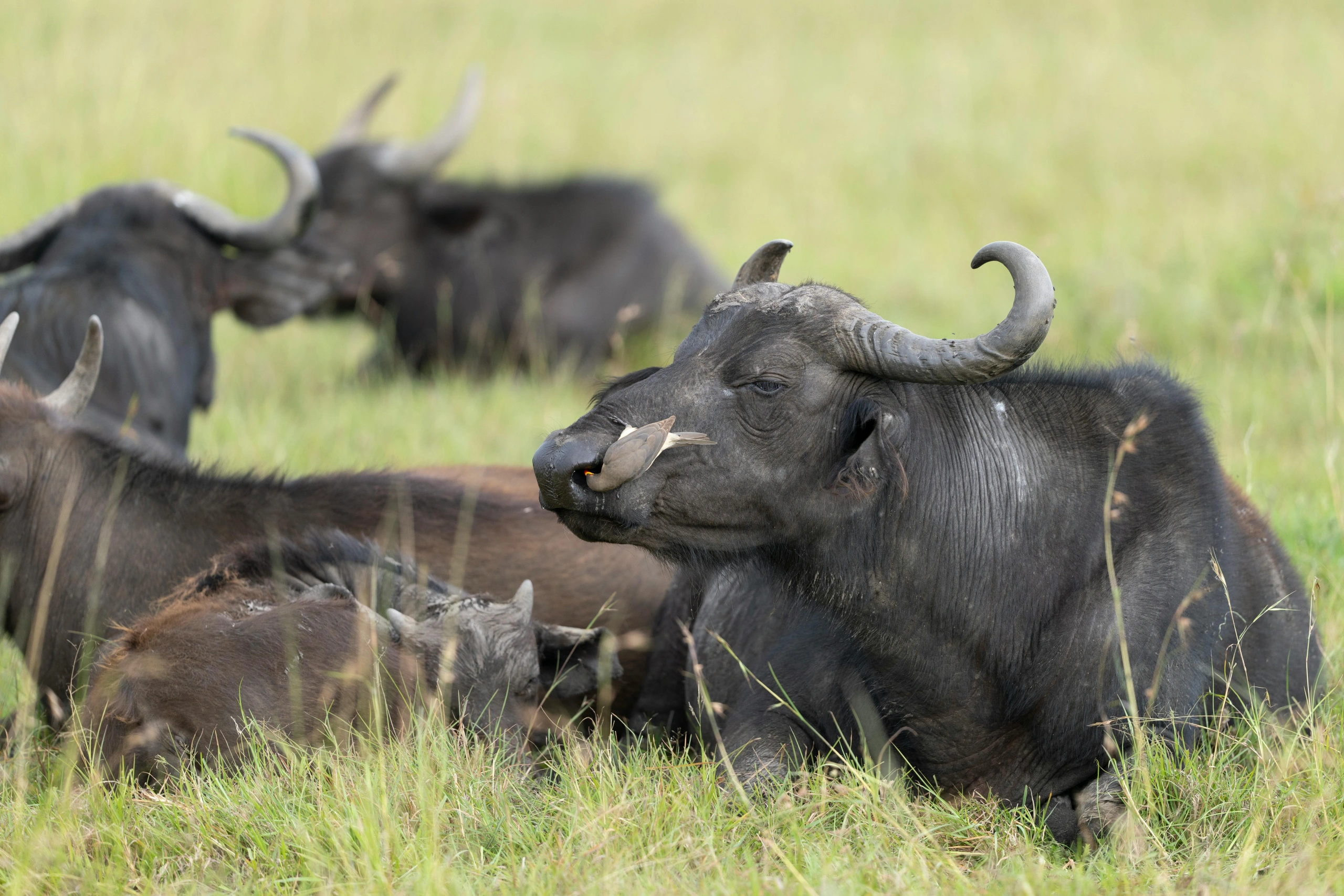
The reserve works well for first-time safari travellers, photographers, families, couples and repeat visitors because the wildlife experience is rewarding throughout much of the year. Lions, elephants, buffalo, giraffes, zebra, wildebeest, cheetahs and many antelope species may be encountered, while leopards remain more elusive. Wildlife is free-ranging and no individual sighting can ever be guaranteed.
Wildlife and big-cat viewing
The Masai Mara is especially associated with predators. Lions and cheetahs are regularly sought on game drives, while leopards may be found around riverine woodland and other suitable habitats. Narok County planning documents note the reserve’s importance for Kenya’s big-cat populations and describe the wider area as supporting a very high concentration of wildlife.
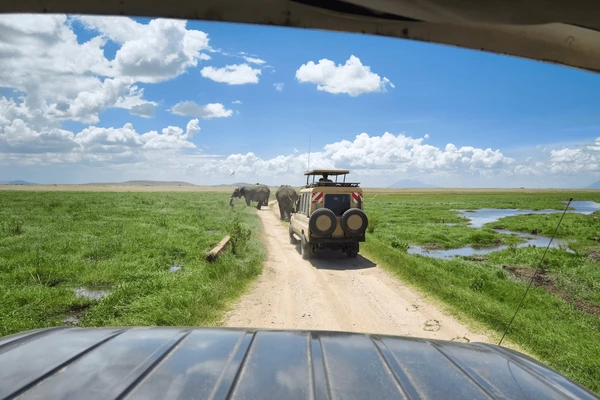
The best wildlife experiences usually come from patience rather than rushing from one sighting to another. Early mornings and late afternoons often provide softer light, cooler temperatures and increased animal activity. A private safari gives your guide more flexibility to respond to recent sightings, weather, road conditions and photography interests while still respecting reserve rules and other vehicles.
The Great Migration in the Masai Mara
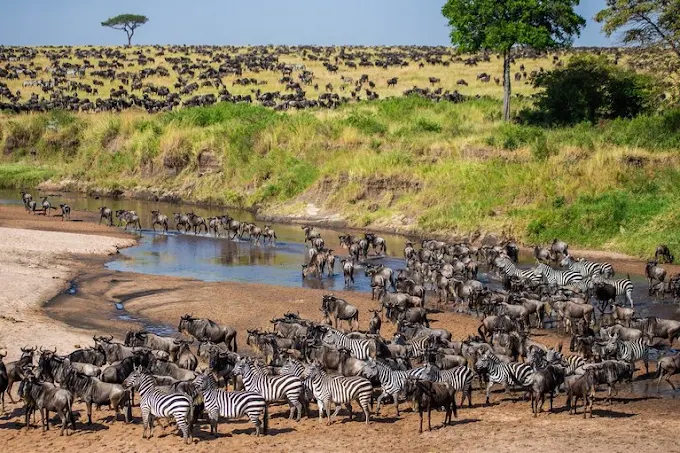
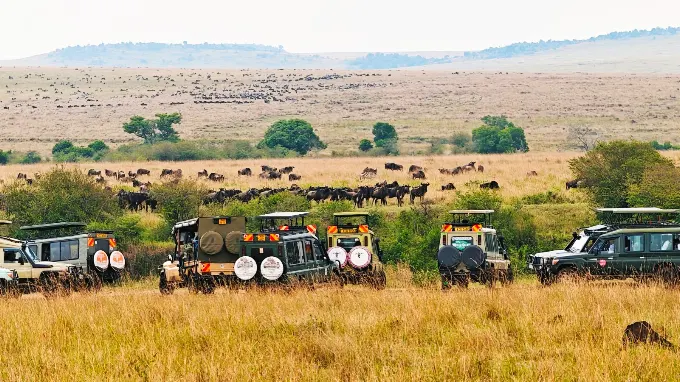
The annual movement of wildebeest, zebra and other grazing animals between the Serengeti and the Mara is one of the ecosystem’s best-known natural events. Narok County identifies July to September as an important peak period for migration activity in the reserve, although the exact timing, location and intensity of herds depend on rainfall, grass conditions and natural movement.
River crossings are unpredictable and should never be promised for a particular date. A traveller may spend hours near a river without a crossing taking place, while another group may encounter one unexpectedly. Intna Explore Africa Safaris therefore plans migration-season safaris around broader wildlife opportunities rather than marketing one guaranteed event.
Birdlife and varied habitats
The Mara is not only about large mammals. Narok County documents describe the reserve and surrounding ecosystem as supporting more than 400 bird species. Raptors, vultures, storks, bustards, hornbills and many grassland and river-associated birds can be seen depending on habitat and season. Binoculars are worthwhile even for travellers whose main interest is big game.
Open grasslands dominate much of the landscape, but rivers, seasonal watercourses, shrubs and woodland add important habitat variety. These different environments influence where animals feed, rest, hunt and move during the day, which is why a longer stay can produce a more complete experience than a single fast game drive.
Best time to visit the Masai Mara
The reserve can be visited throughout the year. July to September is especially popular because migration herds may be present in large numbers, while other months can offer excellent resident wildlife with fewer vehicles in some areas. Green seasons can bring dramatic skies, fresh vegetation, bird activity and strong photographic conditions.
Weather patterns vary from year to year. Rain can affect road conditions, grass height and wildlife distribution, while dry periods may concentrate animals around reliable water sources. The best travel month therefore depends on whether your priority is migration activity, big-cat photography, birding, quieter game drives or a particular budget range.
How many days should you spend in the Masai Mara?
For most travellers, two or three nights provide a useful minimum introduction, while three or four nights allow more time to explore different parts of the reserve without rushing. Longer stays are especially useful for photographers and travellers visiting during migration season because wildlife events are never scheduled.
The Masai Mara combines naturally with Lake Naivasha, Lake Nakuru National Park, Amboseli and northern Kenya destinations. Browse our Kenya safari packages to compare routes of different lengths, or contact Intna Explore Africa Safaris for a private itinerary tailored to your dates, interests and preferred comfort level.
Responsible wildlife viewing
The Masai Mara National Reserve management plan includes specific rules intended to reduce disturbance to wildlife and improve the visitor experience. Drivers are expected to follow designated access points, observe reserve speed limits, avoid chasing or harassing animals and maintain appropriate viewing distances whenever possible. The management plan also limits the number of vehicles that should crowd sensitive sightings such as lions, leopards, cheetahs and rhinos.
Guests can help by keeping noise low at sightings, avoiding pressure on guides to break reserve rules and allowing other vehicles fair access. Responsible game viewing protects wildlife behaviour and creates better photography because animals are more likely to remain relaxed when they are not surrounded or pursued.
Accommodation and safari styles
The wider Mara ecosystem offers accommodation ranging from simple camps to comfortable tented camps and luxury lodges. Some properties are inside the national reserve, while others are in neighbouring areas and conservancies. The final choice affects driving time, game-viewing access, meal arrangements and price, so Intna confirms the exact property before payment rather than describing a lodge category as guaranteed accommodation.
Private safaris are useful for travellers who want control over pace and photography stops, while group-joining options can reduce costs by sharing transport. Fly-in safaris can shorten travel time from Nairobi, while road safaris provide a gradual transition through the Rift Valley and work well when combining the Mara with other destinations.
Planning your Masai Mara safari with Intna
Intna Explore Africa Safaris can arrange short Masai Mara trips, longer multi-park circuits, family safaris, photography-focused journeys, group joining departures and luxury fly-in experiences. Final prices depend on the selected travel dates, accommodation, transport type, number of travellers, rooming arrangement and current reserve fees.
Before confirmation, we provide a written itinerary showing accommodation, game drives, meals, transport and inclusions. This helps ensure that the safari you book matches the experience you expect. For current reserve access rules and responsible-viewing guidance, travellers can also refer to the official Masai Mara National Reserve management information published by the County Government of Narok.
Why visit
Highlights of Masai Mara National Reserve
- Exceptional lion, cheetah and other predator viewing
- Seasonal Great Migration activity across the Mara–Serengeti ecosystem
- Open savannah, riverine woodland and classic East African landscapes
- Large populations of elephants, buffalo, giraffes, zebra and antelope
- More than 400 bird species recorded in the reserve and surrounding ecosystem
- Excellent wildlife photography throughout much of the year
- Easy combination with Lake Naivasha, Lake Nakuru and longer Kenya safari circuits
Location & route planning
Where is Masai Mara National Reserve?
Use the map to understand where this destination sits and how it can connect with the rest of your safari.