
Destination guide
Discover Lake Turkana
Use this guide to understand the landscape, wildlife, activities and practical details before adding the destination to your safari route.
Lake Turkana safari and travel guide
A Lake Turkana safari reaches one of the most remote and visually powerful landscapes in Kenya. Stretching through the northern Rift Valley, the lake is surrounded by volcanic terrain, desert plains and communities whose lives have long been connected to this difficult environment. The destination is globally important for its national parks, wildlife habitats, geology and fossil record. For travellers, the first impression is usually scale: water, sky and arid land extend far beyond the compact landscapes of Kenya’s familiar safari circuits.
The journey to Turkana is part of the experience. Roads can be long and conditions variable, so the destination is best approached as part of a carefully paced northern expedition through Samburu, Marsabit and the wider frontier region. Wildlife viewing may be less concentrated, but geology, culture, landscapes, birding and the sense of remoteness become equally important.
Natural history and World Heritage context
The Lake Turkana National Parks include Sibiloi National Park, Central Island National Park and South Island National Park. The area is internationally recognised for natural processes and biodiversity, including waterbird use, crocodile breeding habitat and important geological and fossil evidence. The wider basin has also played a major role in scientific understanding of human evolution and past environments.
Desert landscapes, islands and birdlife
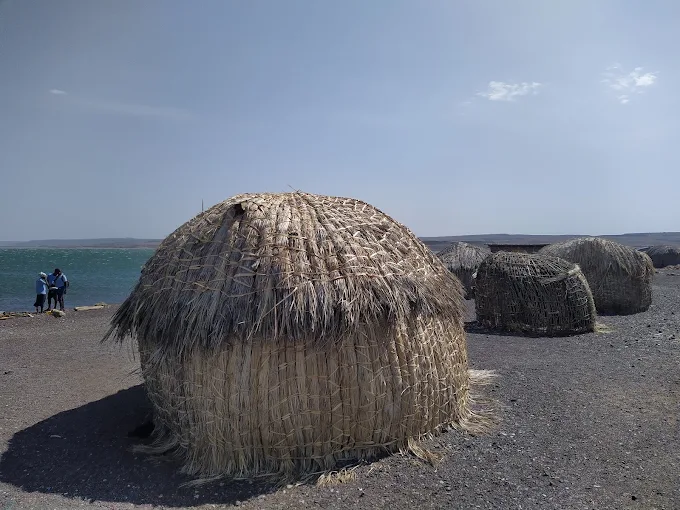
The lake’s colours, volcanic islands and barren shorelines create dramatic photography conditions. Wind, heat and haze can change the appearance of the water through the day. Birdlife can be rewarding around suitable shoreline habitats, while the broader ecosystem also supports crocodiles and other wildlife. Boat activity must depend on safe local conditions and experienced operators because the lake can become rough.
Culture and respectful travel
The Turkana basin is home to communities with strong cultural traditions and livelihoods shaped by pastoralism, fishing and a dry environment. Cultural interaction should be arranged responsibly, with local consent and clear expectations around photography, guiding and payments. Intna avoids presenting communities as attractions and instead works to make visits respectful exchanges where appropriate.
How Lake Turkana fits the northern route
A practical expedition can travel from Marsabit National Park toward Lake Turkana, then turn south through Maralal and reconnect with the Rift Valley. This route is substantially more demanding than a standard Masai Mara safari, so vehicle preparation, fuel planning, water, communications and realistic drive times matter.
Conservation context
The Lake Turkana National Parks face long-term conservation pressures linked to hydrology, climate, infrastructure and regional change. Responsible tourism cannot solve those challenges, but visitors can reduce their own impact by following protected-area rules, avoiding litter, respecting wildlife and using reputable local services.
Who should include Lake Turkana?
Lake Turkana is best for travellers who value exploration as much as conventional game viewing. It suits photographers, geology and archaeology enthusiasts, culturally curious visitors and experienced safari travellers looking beyond the main circuit. Heat, road distance and limited services mean it is not a destination to rush, but the combination of immense water, desert terrain, volcanic history and northern cultures can become one of the most memorable sections of a long Kenya itinerary.
Planning Lake Turkana with Intna
Intna plans Lake Turkana as part of a complete journey rather than as an isolated name on a route. Final timing is checked against realistic driving distances, current access, weather, accommodation availability and the interests of the travelling party. Guests should share mobility needs, dietary requirements, photography goals and preferred pace before the quotation is confirmed. This allows the itinerary to be adjusted sensibly while preserving enough time to experience the destination without turning it into a rushed transit stop. Operational information is checked again close to travel because road conditions, protected-area procedures, local activity schedules and supplier availability can change. Wildlife remains free-ranging and individual sightings cannot be guaranteed.
Why visit
Highlights of Lake Turkana
- Vast desert-lake landscapes
- UNESCO-listed Lake Turkana National Parks
- Volcanic islands and Rift Valley geology
- Birdlife and crocodile habitats
- Remote northern Kenya cultures
- Strong expedition and photography appeal
Location & route planning
Where is Lake Turkana?
Use the map to understand where this destination sits and how it can connect with the rest of your safari.