
Destination guide
Discover Marsabit National Park
Use this guide to understand the landscape, wildlife, activities and practical details before adding the destination to your safari route.
Marsabit National Park safari guide
A Marsabit National Park safari brings travellers into one of Kenya’s most striking ecological contrasts. After long stretches of dry northern country, Mount Marsabit rises as a green highland massif with forest, cooler air and volcanic crater lakes. The park is a montane oasis above the surrounding arid landscape, and that contrast is central to its appeal. Marsabit changes the rhythm of a northern Kenya journey and rewards travellers who enjoy scenery, remoteness, birdlife and conservation history.
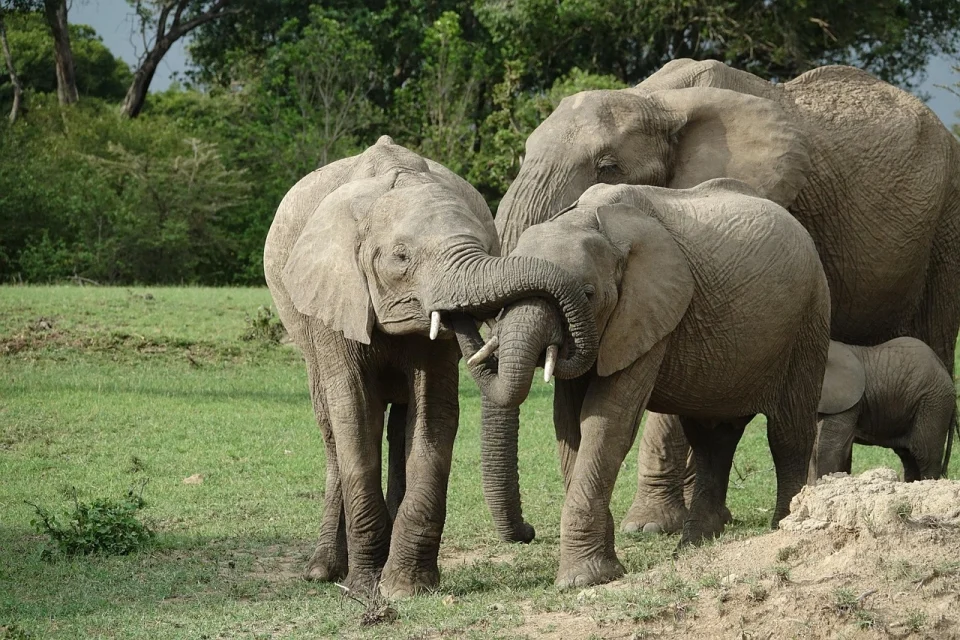
The park is strongly associated with elephants and with the conservation history of the famous bull Ahmed. Dense vegetation means wildlife viewing can require more patience than in open savannah. The experience is often about reading signs, listening for movement and appreciating how animals use forest, water and highland habitat.
Crater lakes and highland scenery
Volcanic activity shaped the Marsabit landscape and left crater lakes within the massif. Forest edges, crater rims and viewpoints give the park a scenic character that is very different from Samburu or the Masai Mara. Mist can form over the higher ground and temperatures may be cooler than expected in northern Kenya. Road and weather conditions can affect access to individual sections, so each day’s route should remain flexible.
Wildlife, birds and conservation
Marsabit supports mammals, birds and reptiles adapted to the highland environment. Birders benefit from the transition between dry-country species and forest-associated birds. Elephant encounters are among the park’s best-known experiences, but no species should be treated as guaranteed. Intna guides plan game viewing around current information, water availability and park conditions.
How Marsabit fits a northern route
Marsabit works especially well after Samburu National Reserve. From there, the route continues through increasingly remote landscapes before climbing toward the highlands. A longer expedition can continue to Lake Turkana and later return south through Maralal, Lake Nakuru and the Masai Mara. This gives the journey a true expedition character.
Road travel and realistic pacing
The distance from Nairobi and the remoteness of northern Kenya make realistic scheduling important. Marsabit is best treated as part of a multi-day northern route rather than an isolated short excursion. Guests should expect early departures, long road sectors, changing road surfaces and fewer tourism services than in the better-known southern parks.
Responsible travel
Visitors should remain on established roads and trails, keep a respectful distance from wildlife and follow ranger instructions. Forest habitats can be sensitive to disturbance. Noise should be kept low, litter carried out and wildlife never fed. Current entry arrangements, opening times and park rules should be checked before departure because operational conditions can change.
Who should include Marsabit?
Marsabit suits travellers who enjoy remote landscapes and are comfortable with a less predictable safari rhythm. It is particularly rewarding for photographers, birders, repeat Kenya visitors and guests interested in the country’s northern geography. The park adds cool, green scenery to a route dominated by dry lowlands and deserves enough time to feel like a destination in its own right.
Planning Marsabit National Park with Intna
Intna plans Marsabit National Park as part of a complete journey rather than as an isolated name on a route. Final timing is checked against realistic driving distances, current access, weather, accommodation availability and the interests of the travelling party. Guests should share mobility needs, dietary requirements, photography goals and preferred pace before the quotation is confirmed. This allows the itinerary to be adjusted sensibly while preserving enough time to experience the destination without turning it into a rushed transit stop. Operational information is checked again close to travel because road conditions, protected-area procedures, local activity schedules and supplier availability can change. Wildlife remains free-ranging and individual sightings cannot be guaranteed.
Why visit
Highlights of Marsabit National Park
- Montane forest rising from arid northern Kenya
- Volcanic crater lakes and highland scenery
- Large-tusked elephant conservation heritage
- Birding and forest wildlife
- Remote overland adventure
- Natural link between Samburu and Lake Turkana