
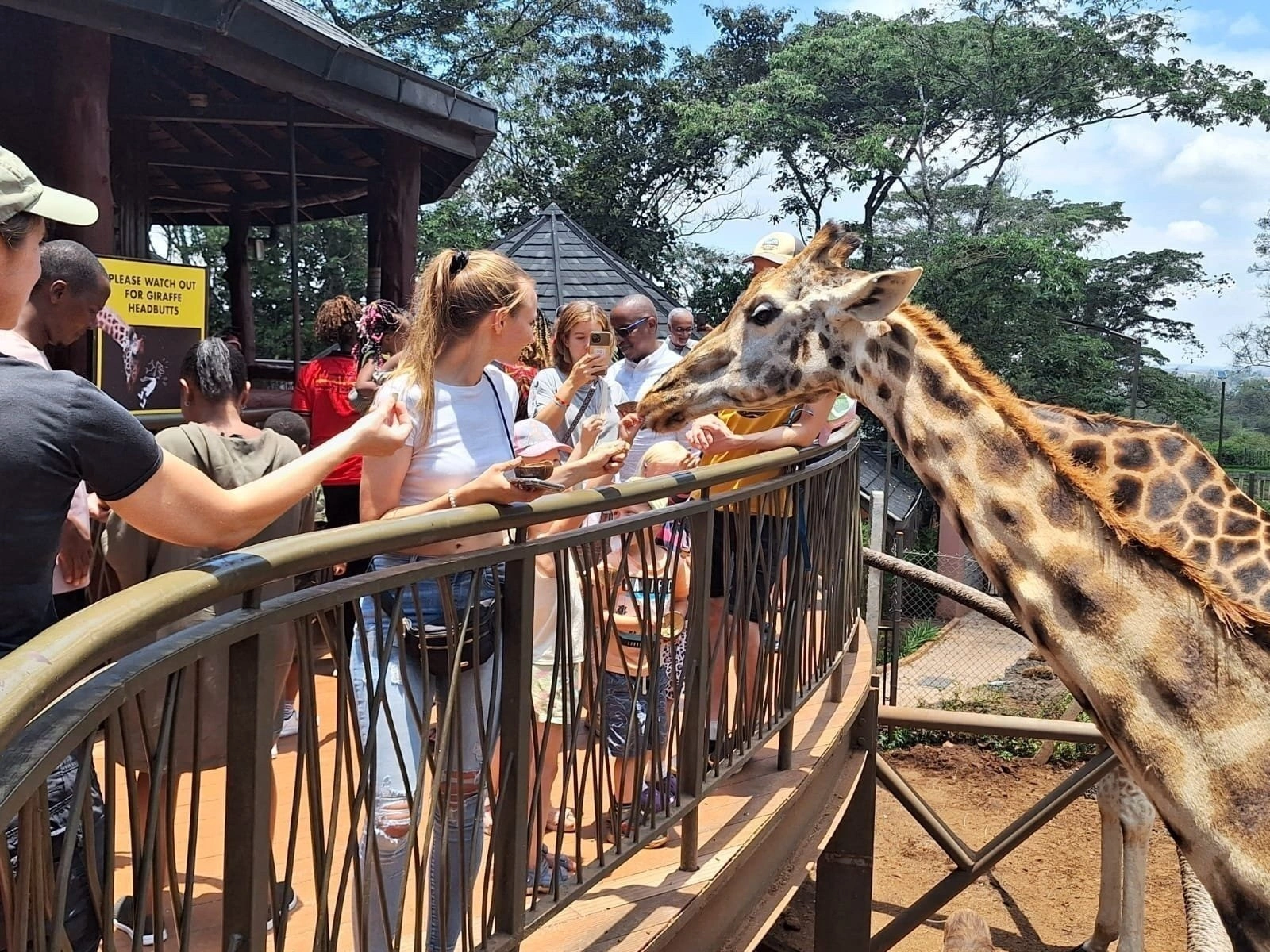
Choosing the best time to visit Kenya for safari depends on what you want to see, where you want to travel and how you prefer to experience the country. Kenya is a year round safari destination, but wildlife movement, rainfall, road conditions, visitor numbers and accommodation prices change through the year. A traveller focused on the Great Migration may choose different months from someone planning an elephant safari in Amboseli, a birding journey around the Rift Valley or a safari followed by time on the Indian Ocean coast.
This guide explains Kenya safari travel month by month so that you can match your travel dates with the experience you actually want. You can also explore our Kenya safari packages and safari destinations while planning your route.
Understanding Kenya safari seasons
Kenya does not have one single weather pattern across the whole country. The coast, central highlands, Rift Valley, northern regions and southern wildlife areas can experience different conditions at the same time. This is why it is better to think about your exact route rather than choosing travel dates from a simple national weather statement.
In general, many safari areas experience a drier period from about June through October and another relatively dry period during January and February. The main long rains commonly occur during March, April and May, while shorter rains often affect parts of the country during October, November and December. The timing and intensity can vary from year to year.
For current conditions before travelling, check the Kenya Meteorological Department seasonal forecasts. These official outlooks are useful because they explain rainfall and temperature patterns by region rather than treating Kenya as one uniform climate zone.
January in Kenya
January is a strong safari month for travellers who prefer warm conditions and generally easier wildlife viewing. In many areas, vegetation is less dense than during the wetter months, making animals easier to spot around open plains, water sources and grazing areas.
Amboseli National Park is particularly rewarding for travellers interested in elephants, open landscapes and views toward Mount Kilimanjaro when the mountain is visible. The Kenya Wildlife Service Amboseli guide highlights the park's large elephant herds, birdlife, swamps and iconic scenery.
January can also work well for the Masai Mara, Samburu, Tsavo and Laikipia. It is an excellent month for travellers who want a classic safari without depending on migration timing.
February in Kenya
February often continues the favourable wildlife viewing conditions of January. Days can be warm and dry in many safari regions, and animals frequently gather around dependable water sources.
Photographers may appreciate the clearer landscapes and easier access along safari roads. Amboseli remains attractive for elephants and landscape photography, while the Masai Mara can offer resident predators, plains game and quieter game drives compared with the busiest migration months.
Travellers combining wildlife with the coast can also consider Diani Beach after safari. A bush and beach itinerary works especially well when you want active game viewing followed by a slower final part of the holiday.
March in Kenya
March is a transition month. Early March can still feel relatively dry in some regions, while rainfall may increase as the month progresses. Landscapes begin to change quickly once meaningful rain arrives.
This period can appeal to travellers who value greener scenery, fewer vehicles and more flexible accommodation availability. It is important to keep some flexibility in driving times because local road conditions can change after heavy rain.
April in Kenya
April is commonly associated with the long rains in many parts of Kenya. Safari travel is still possible, but the experience is different from the dry season. Grass becomes greener, skies can be dramatic and many landscapes look exceptionally fresh.
For photographers, this can create beautiful colour and atmosphere. For travellers who dislike crowded viewpoints, April can also feel more peaceful. The trade off is that some unpaved roads may become slower, and heavy rain can occasionally affect daily plans.
If you are considering April, choose an itinerary with realistic travel distances and suitable safari vehicles. Our team can help you plan a Kenya safari around current road and weather conditions.
May in Kenya
May often remains part of the wetter period. It can be a very rewarding month for green landscapes, birdlife and lower visitor numbers. Lodges and camps may also have more availability than during the busiest months of the year.
Wildlife does not disappear during the rains. Animals remain present, but they may spread across wider areas because water and grazing become more widely available. This means good guiding becomes especially important.
June in Kenya
June is one of the most attractive transition months for safari planning. Rainfall often begins to reduce in many key wildlife areas, landscapes remain green and road conditions usually improve as the month progresses.
It can be an excellent time for travellers who want strong wildlife viewing before the busiest part of the high season. Lake Nakuru National Park is worth considering for rhinos, birdlife and Rift Valley scenery. Kenya Wildlife Service describes Lake Nakuru as an important sanctuary for both black and white rhinos and a destination with rich bird diversity. You can read the official Lake Nakuru National Park visitor information before travelling.
July in Kenya
July marks the beginning of one of Kenya's busiest safari periods. Dry conditions become more established across many wildlife areas, and the Masai Mara begins attracting travellers hoping to experience the wider Great Migration movement.
The exact timing of wildebeest movements cannot be guaranteed because the herds respond to rainfall, grazing and natural conditions. However, July through October is widely associated with migration activity in the greater Mara ecosystem.
If the Masai Mara is central to your trip, browse our Masai Mara destination guide and allow more than one game drive so that your experience does not depend on a single morning or afternoon.
August in Kenya
August is one of the most popular months for a Kenya safari. Wildlife viewing is strong across many regions, the Masai Mara is especially sought after and family travel increases during international school holidays.
This popularity means planning early matters. Accommodation in desirable areas can fill quickly, and prices are often higher than during quieter months. Travellers who want the wildlife quality of August but less pressure around famous sightings can combine the Mara with quieter destinations such as Laikipia, Samburu or parts of Tsavo.
September in Kenya
September remains an excellent safari month. Conditions are often dry, wildlife viewing remains strong and migration related activity may still be present in the Masai Mara depending on natural herd movement.
This is also a good month for combining several ecosystems. A route linking the Masai Mara, Lake Nakuru, Lake Naivasha and Amboseli can provide very different landscapes and wildlife experiences in one journey.
October in Kenya
October can be one of the most interesting months for flexible travellers. Early October may still offer dry season conditions in many areas, while rainfall can begin increasing later in the month depending on the year and region.
Migration herds may begin moving away from parts of the Mara ecosystem as conditions change, although resident wildlife remains throughout the year. Travellers should therefore choose the Masai Mara for its complete ecosystem rather than treating it only as a migration destination.
November in Kenya
November is commonly associated with the shorter rains in many areas. The landscape becomes greener, dust reduces and photography can benefit from dramatic clouds and fresh vegetation.
This can be a very good month for travellers who prefer fewer safari vehicles and are comfortable with occasional rainfall. Birding can also become increasingly rewarding as seasonal movements add to Kenya's resident birdlife.
December in Kenya
December combines green landscapes with the beginning of the festive travel period. Early December can be relatively quiet in some areas, while Christmas and New Year dates are usually much busier.
Families travelling during the festive season should reserve accommodation and transport well in advance. Kenya offers a wide choice of combinations during this period, including safari circuits followed by the coast.
When is the best time for the Masai Mara?
If your main goal is general wildlife viewing, the Masai Mara can be visited throughout the year. Resident lions, elephants, giraffes, zebras, antelopes and other wildlife remain in the ecosystem outside the migration period.
If your main goal is the Great Migration, many travellers focus on July through October. Even then, river crossings and herd locations cannot be scheduled like an event. Nature decides where the animals move each day.
The official Magical Kenya tourism website is also useful when researching Kenya's major safari regions and seasonal travel inspiration.
When is the best time for Amboseli?
Amboseli is rewarding throughout the year, but drier months can make wildlife easier to concentrate around permanent swamp areas. January, February and the period from June through October are popular choices.
The condition of Mount Kilimanjaro views is more difficult to predict because cloud cover changes throughout the day. Early morning can often provide the clearest opportunities, but there is never a guarantee.
When is the best time for Tsavo?
Tsavo East National Park and the wider Tsavo region suit travellers who appreciate scale, wilderness and longer game drives through changing landscapes. Dry periods often make wildlife easier to locate around rivers and water points.
Tsavo also fits naturally into itineraries connecting Nairobi with Mombasa, Diani, Watamu or Malindi. This makes it one of Kenya's strongest choices for travellers who want to combine safari and coast without returning to Nairobi between the two experiences.
When is the best time for a Kenya safari and beach holiday?
A safari and beach journey can work throughout much of the year. The best months depend on the exact safari route and your preferred coastal weather. Many travellers choose January and February or the period from July through October because these months often align well with major safari regions.
If the coast is an important part of your holiday, consider how many nights you genuinely want for rest. After several early safari mornings and long game drives, three or four nights by the Indian Ocean can transform the pace of the journey.
How far in advance should you book?
For July, August, September and festive season travel, booking several months ahead gives you a better choice of safari camps, lodges and room types. The most sought after properties can fill much earlier.
For quieter travel months, there may be more flexibility. However, travellers with very specific accommodation preferences, family rooms or private conservancy interests should still plan early.
Our recommendation
There is no single month that is best for every traveller. The right time depends on whether your priority is migration activity, elephants, birds, photography, lower visitor numbers, family travel, a honeymoon, budget or a safari and beach combination.
Start with the experience you want, then choose your travel dates around it. Explore our Kenya safaris, compare our Kenya destinations, or speak with Intna Explore Africa Safaris about building a journey around your preferred month.
Last reviewed 30 September 2026. Weather patterns, wildlife movement, park conditions and migration timing vary naturally. Always confirm current conditions before travel.